Argentina Bars Central Bank From Printing Money
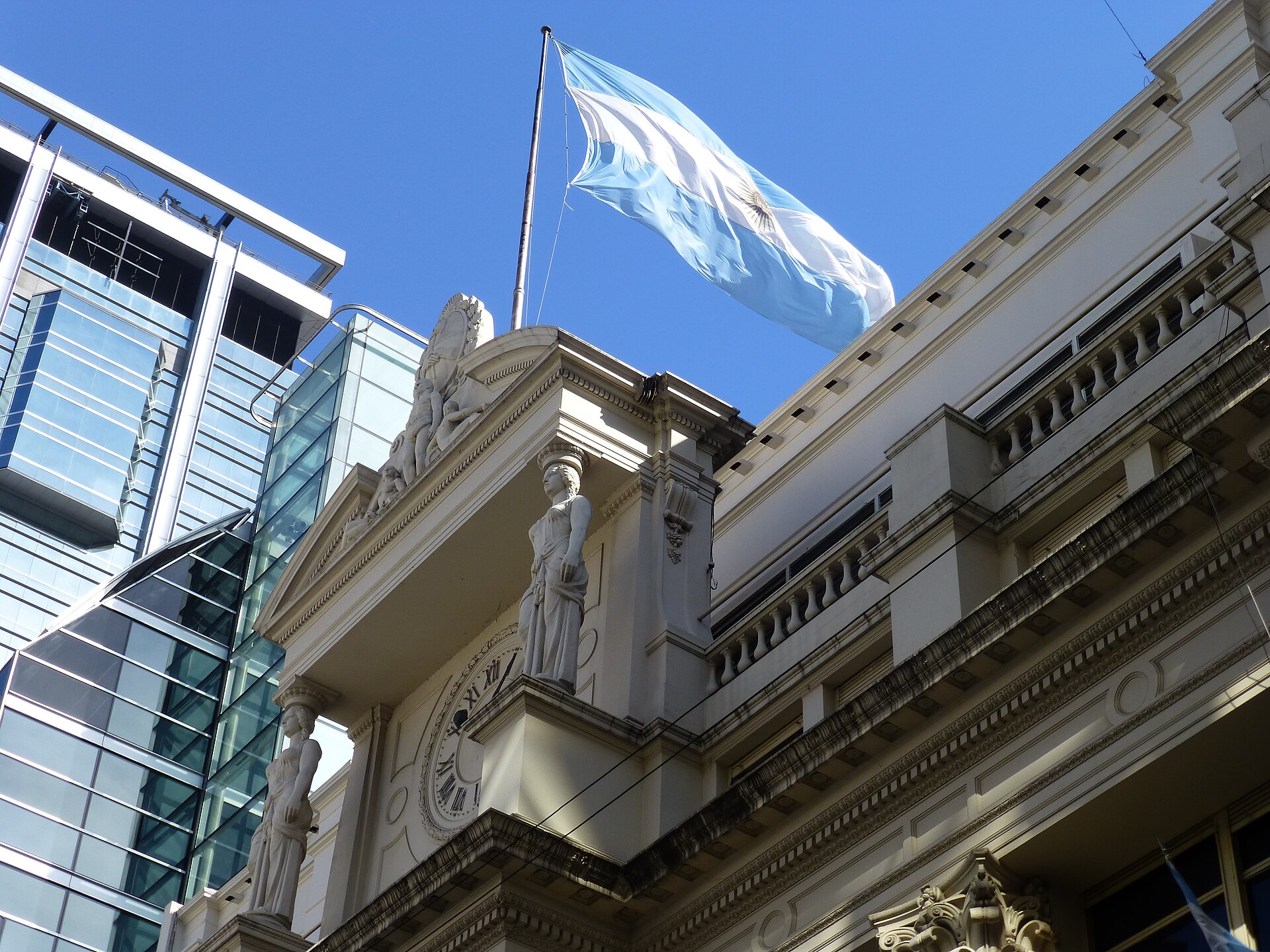
According to Al Jazeera, officials in Argentina have barred the central bank from printing money to fund government spending. Leaders made this move to bring strong changes to how the country handles its cash. This decision directly targets how the government pays its bills.
What does it mean when Argentina bars money printing?
When a government spends more cash than it takes in, it often asks its central bank to print new cash. This can quickly cause high inflation because too much cash chases too few goods. By stopping the presses, the state must now spend only what it actually collects from taxes and other real income.
This big change brings a major shift to daily life for everyday shoppers and local businesses. When new cash stops flooding into stores, price tags can slowly stop jumping up every week. People can plan their weekly budgets with far less fear of sudden price hikes.
Why did Argentina make this decision today?
Leaders chose to take this route to rebuild trust in the national currency. Families have struggled for years with prices that went up way too fast on simple groceries and basic services. The government wants to show both local workers and foreign investors that it can balance its own books without shortcuts.
This plan forces politicians to make very tough choices with public funds. Officials cannot simply turn on the printing press whenever they run out of money for state projects. They must make hard cuts or locate real savings to keep the state running smoothly.
Key steps in the new spending policy
The new rules place strict limits on state spending and the central bank. Here are the core parts of the decision:
- The central bank cannot make new cash to pay for public spending.
- The state must rely only on real income and collected taxes.
- Leaders hope to cut down the rapid rise of everyday prices.
Stopping the presses sends a clear message to all public offices. Every department must now look at its budget closely. If an office wants to buy something new, it must find the money from existing funds rather than asking the bank to print extra bills.
What should people watch for next?
The coming months will show whether this strict policy can deliver real stability. Shoppers will watch the cost of milk, bread, and meat to see if the price tags stay flat. If prices cool down, families will get much-needed breathing room in their monthly budgets.
At the same time, people will look closely at public services to see how budget cuts affect them. Without printed money, the state might have to slow down public works or rethink certain benefits. The success of this move will depend on whether the country can handle the tight rules while protecting everyday citizens.


