How Will Voters Respond to Divided Government?
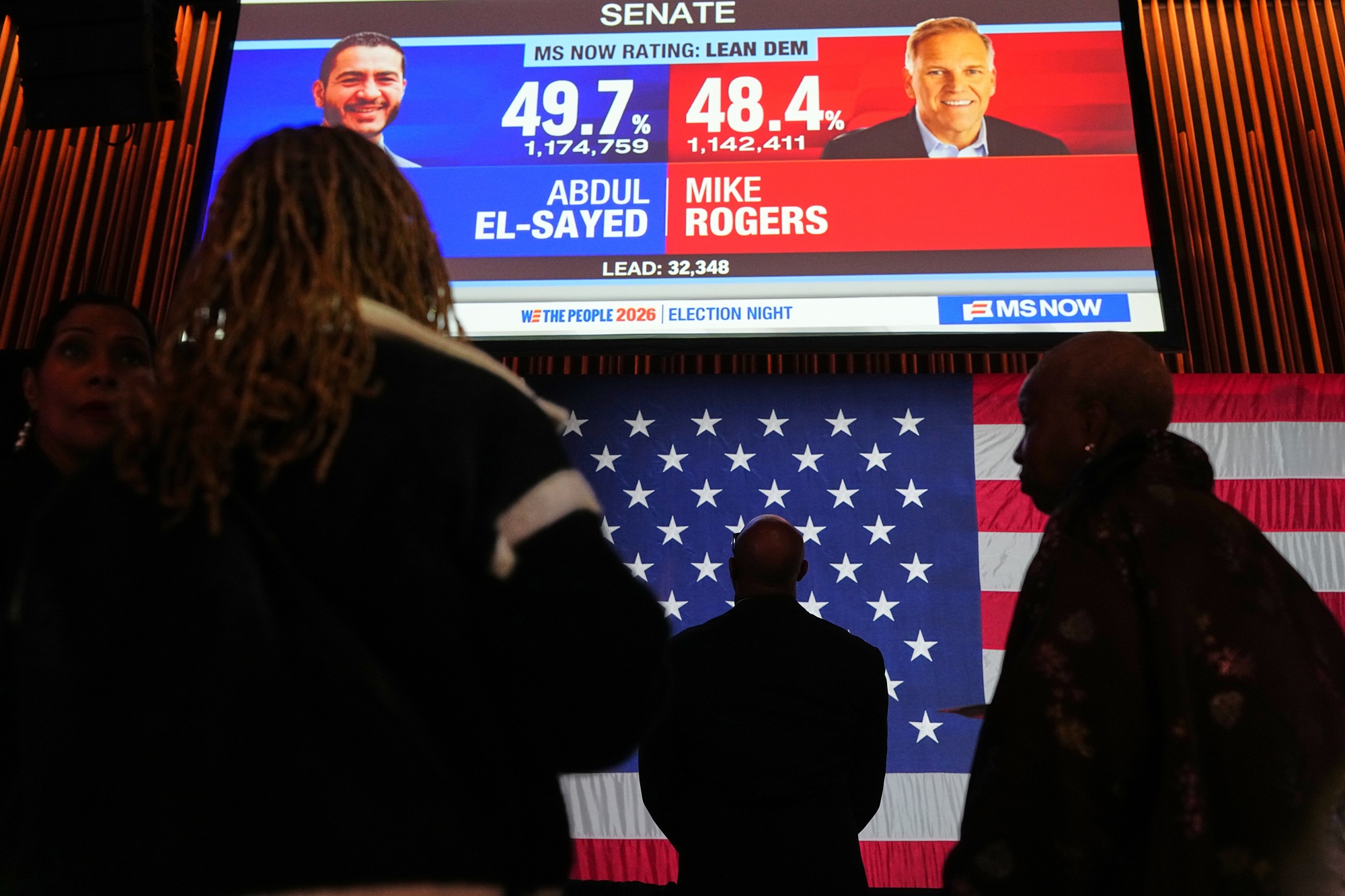
Voters face a split government once again in Washington. Millions of people must now watch how their leaders handle power when no single party controls everything. This big change will affect how laws get made and how politicians act over the next few years.
How Will Voters Respond to Divided Government?
Many citizens wonder what this split power structure means for their daily lives. When one party controls the White House and another party holds power in Congress, passing new laws becomes very hard. Lawmakers must either learn to work together or fight over every single decision. People who vote often get tired of seeing endless arguments in the news instead of real solutions.
An independent voter often decides who wins these tight political battles. These citizens look closely at which party is willing to make deals and which party just wants to stop things from happening. The way people view this fighting can shape the results of the next election season.
What Happens When Control Is Split Between Parties?
Split power changes how the whole government operates day to day. President leaders cannot easily pass big spending bills or make major policy shifts without help from the other side. Every new law requires trade offs that usually leave both sides feeling a bit unhappy with the final result.
Here is what typically happens when control gets split in Washington:
- Lawmakers spend more time holding public hearings and starting investigations.
- Big policy changes slow down because both political parties must agree on them.
- gridlock happens more often when leaders refuse to compromise on big issues.
- Voters look for groups like the League of Women Voters to stay informed on the facts.
Why Does This Political Division Matter to Everyday People?
When the government is split, essential work can get stuck in long debates. Federal budgets might get delayed, which can cause worries about government shutdowns or paused programs. Ordinary families want to know if their tax rates, healthcare options, and local projects will stay safe while leaders argue in public.
People also watch to see who gets the blame when things go wrong. If the economy faces trouble or if bills fail to pass, each party points the finger at the other side. Voters must look at the news carefully to figure out who is telling the truth and who is just playing political games.
What Should We Watch for in the Coming Months?
The main thing to watch is whether party leaders decide to talk to each other or just block each other. If top politicians find common ground on small issues, they might build enough trust to tackle bigger problems later. If they only focus on winning fights for TV cameras, very little work will get done for the country.
Election turns will come fast, so both sides will keep testing their messages on the public. Voters get to show how they feel every time they step up to cast a ballot. Their reaction to this split power will decide who wins control in the years ahead.


