Judge declines long-term ban on taxpayer-funded Trump ads
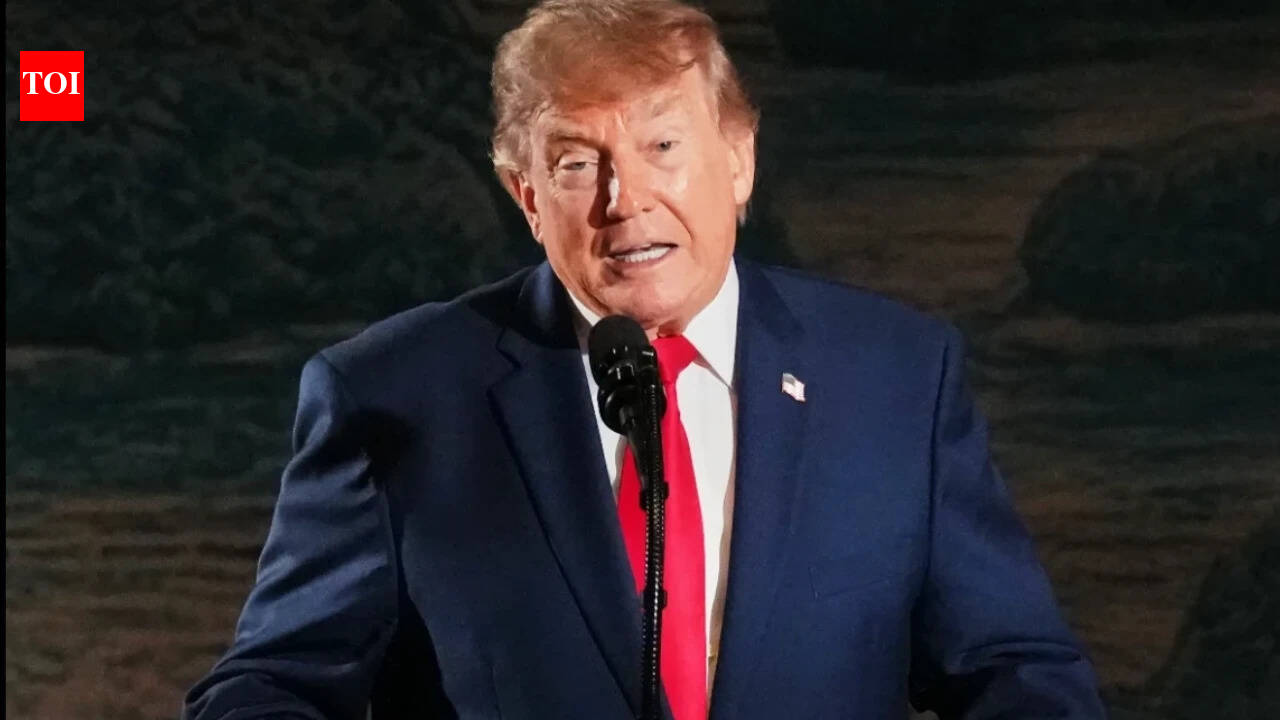
A judge decided not to issue a long-term ban on taxpayer-funded ads that support Donald Trump. Critics argued these ads were propaganda and should be stopped immediately. The court ruling means the government can continue to spend money on these specific messages for now.
Why did the judge decline a long-term ban on taxpayer-funded ads?
The judge looked at the request to stop the ads and decided a long-term ban was not the right move at this time. People who do not like the ads say it is wrong to use public money to help a political candidate. They believe this money belongs to the people and should not be used for things that look like campaign commercials. However, the legal system has very strict rules about when a judge can stop the government from speaking or spending money.
In many cases, the government has the right to share information with the public even if that information sounds political. The judge had to balance the rules of free speech with the rules about how taxes are spent. This decision is a big win for the people who want to keep running the ads. It shows how hard it is to prove in court that a specific ad is illegal propaganda instead of just a government message.
What does this mean for ordinary taxpayers today?
This ruling means your tax dollars might continue to pay for ads that you see on TV or the internet. Many people feel that their money should only go to schools, roads, or safety instead of political messaging. When a judge allows this to continue, it sets a pattern for how other states or groups might use their budgets. It could lead to more ads that feel like campaign speeches but are paid for by the public treasury.
Ordinary people often feel frustrated when they see their money used in ways they do not support. This case is about more than just one person or one ad. It is about the line between the government doing its job and the government helping a person win an election. If you live in a place like Wyoming's at-large congressional district, you might see these ads during local news breaks. Voters have to decide if they think this is a fair use of the money they work hard to earn every month.
What happened before this court decision was made?
Before the judge made this choice, critics filed a lawsuit to try and block the spending. They pointed to specific ads that they felt were clearly designed to make one candidate look good to the voters. These critics used the word propaganda to describe the ads because they felt the message was biased and unfair. They hoped the court would step in and protect the public budget from being used as a campaign tool.
The group running the ads argued that they were simply telling the public about government work and successes. They claimed the ads were educational and helped people understand what was happening in the country. This debate has been going on for a long time in American politics. Similar questions about how leaders use their power often come up in places like North Carolina's 3rd congressional district where local politics are very active. The history of these fights shows that it is very rare for a judge to stop an ad campaign once it has already started.
What should we watch for in the coming months?
The next thing to watch is whether the critics will try to appeal this decision to a higher court. Since the judge only declined a long-term ban, there might be other legal steps the critics can take to fight the ads. We should also watch to see if the government spends even more money on these ads now that the court has said they can continue. If the spending goes up, the public debate about propaganda will likely get much louder and more intense.
As we get closer to the next big election, every ad will be watched very closely by both sides. Other states might look at this ruling and decide to run their own taxpayer-funded ads if they think they can get away with it. This could change the way all political campaigns work in the future. We will see if lawmakers try to write new rules that make it harder to use public funds for anything that looks like a political ad. For now, the ads will stay on the air and the money will keep flowing.


